A Cork in Time Saves Infinity

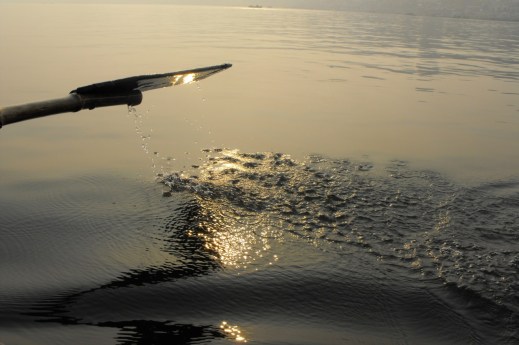
oarThe rhythmic dipping of the oars in the Ganga was to Sunil the same as the ticking of the Grandfather Clock in her grandma’s hallway. The boat, the clock, the river—were all metaphors for time. The east bank’s eternal fires, Sunil’s bruise purple skin, the sinking temple, the breast-sniffing astrologer, the quiet throb in her left wrist—all merged into a concoction both mysterious and natural.

There is no glorious cosmic design, only the constant inter-weaving of things and conditions, and this itself is both glorious and cosmic.

The dotted piles of decaying marigolds along the ghats, the mumbling saddhus, the weeping widows, the diving children, the reflections on water, all a shimmering astounding masterpiece in motion.

“What are you thinking, Judy ji?”
Sunil leaned on the oars, watching her with fond amusement.
“Oh, so many things,” she replied vaguely.
“I think the Ganga is speaking to you.”

He took up the idle oars again, and again their sloshing metronome sent her swirling back down the rabbit hole. And as she fell, time effectively vanished to her awareness. But that awareness was not merely an absence of time. It was the presence of an alternate mode of apprehension. She had been raised to believe that change was a product of time. No one had actually said this, but it seemed an unspoken axiom. All geology was a lesson in how time spits out change. Over time this or that happened: the earth cooled, continents were formed, ice ages came and went, the Grand Canyon was chiseled, in almost unfathomably large amounts of time. Babies were born and babies died, people fell in love, out of love, judged and forgave one another, determined to live and decided to die—in a moment. And what about those moments of which all those moments are made? The small change of time? But that was for philosophers and physicists to ponder, not your ordinary scrap-book carrying citizens. Otherwise, we wouldn’t get any work done.

Change is a product of time. No. No it’s not.
“It’s not.”
She’d said it out loud.
“Not what?” said Sunil, having grown as used to her sudden exclamations as her long swathes of silence.
“Change isn’t a product of time. Time is, at most, a calculator of change. What we experience as time is only change; the manifest action of impermanence. We have reified the measuring tool and made an abstraction of the what we are measuring. Time can only appear to us because things change. Change is not a product of time. Time is the way we measure change.”

Such thoughts flowed from Jude like a stream from some ancient well—sipped by someone in loose white clothes, pressing sand between their toes in the moonlight. In a flash she understood that the ancient Chinese text, the I Ching (Book of Changes), was entirely based on this view, but she still experienced it with all the nascent wonder of an original discovery.

After all, who could argue that change was the fundamental state of all things both physical and mental? It’s not difficult to conceive that we don’t age because of the passage of time; that we age because of the accumulation of countless changes upon our physical being. It is movement through space; just as a year is nothing but a revolution of the earth around the sun.

But isn’t there a moment before and a moment after the present one? Take the act of drinking tea. Surely there is:

1. the time before drinking tea, 2. the time actually drinking tea; and 3. the time after drinking tea?

But in the time as change scenario it doesn’t work exactly like that. When you kick time out of the equation and replace it with change, then there is only:

1. not drinking tea + the anticipation of drinking tea 2. drinking tea + the experience drinking tea and 3. not drinking tea + the memory of having drank tea.

But what if you want to talk about drinking tea? The idea seemed rather preposterous in Jude’s non-verbal state, but it was not out of the question, since you might want to say, “Oh, that tea was rather good,” or “When will there be more tea?” which is at least more realistic than asking, “How many pockets of micro and macro changes in this universal web of co-conspired, co-interdependent dynamism will there be before more of this hot wet substance we label with the verbal construct ‘tea’ will manifest to my sensory awareness?”
boat2Her mind punched above its fighting weight as she stretched the limits of her own comprehension. She tried to concentrate. Tenses are useful, she thought. It allows us to explain our movements—we need time so we don’t miss trains, make it to the altar, get home in time to watch the new season of Sherlock Holmes. A concept for setting coordinates.

But if time is only a concept then what would timelessness feel like? How is time experienced in pre-conceptual baby brains? She steered her mind back through her book of changes: 45, 44, 43, 42, but got sucked at the age of….eight.

In a copse of fir trees in the corner of the garden Jude sat cross-legged on a mat of fir needles, playing Tchaikovsky’s Swan Lake on a broken music box. The sun was playing a harp of light through the thick branches. She stared at the revolving metal stub where the plastic ballerina had fallen off long ago. And on that stub, a tiny herself, turning, turning, turning…

“Judy ji?”
Sunil’s expression had changed to one of concern. She’d been leaning on her stomach over the stern of the boat, her fingers dragging through the water, eyes fixed on the ripples pouring out like diagrams of magnetic fields from her fingertips.
“I’m okay. I think I’m okay.”
Whatever was going on, it was gaining momentum faster than she could comprehend it, but she wasn’t scared, yet.

Back in the pine tress time had passed more slowly than it did now, or at least it seemed like that. But if, as she was now convinced, change was the x-factor, she found herself looking at it differently.
“It’s all about attention.”
Time doesn’t slow down, doesn’t speed up. That’s the job of the twin time-keepers; Novelty and Habit.

Time seems to pass more slowly as a child because the world is still fresh. Novelty captures attention and attention slows time down. It keeps you in the present. Habit or familiarity is the great accelerator, as the mind slips off the things it already thinks it knows. Curiosity keeps time at bay by re-focusing attention. Boredom and cynicism are time-eaters. They speed up any life, can make it seem like it is not even being lived, only passed through…

Jude could not have felt more still than if the world had stopped rotating on its axis. Everything began to merge into a single point. She thought she might fall into the river and instinctively gripped the sides of the boat.

Time is another sense, like sight or taste. There is a noise that accompanies time, the kind that you can’t hear, but which keeps your perception operating a certain way. When you step out of time that background noise ceases like when there is powercut and you feel suddenly connected to some other way of knowing. Like a fence has come down and you can see far into the distance…

“It’s a whirlpool.”
It was Sunil.
“What?”
“Didn’t you notice we’re not moving?”
“Yeah. Kind of.”

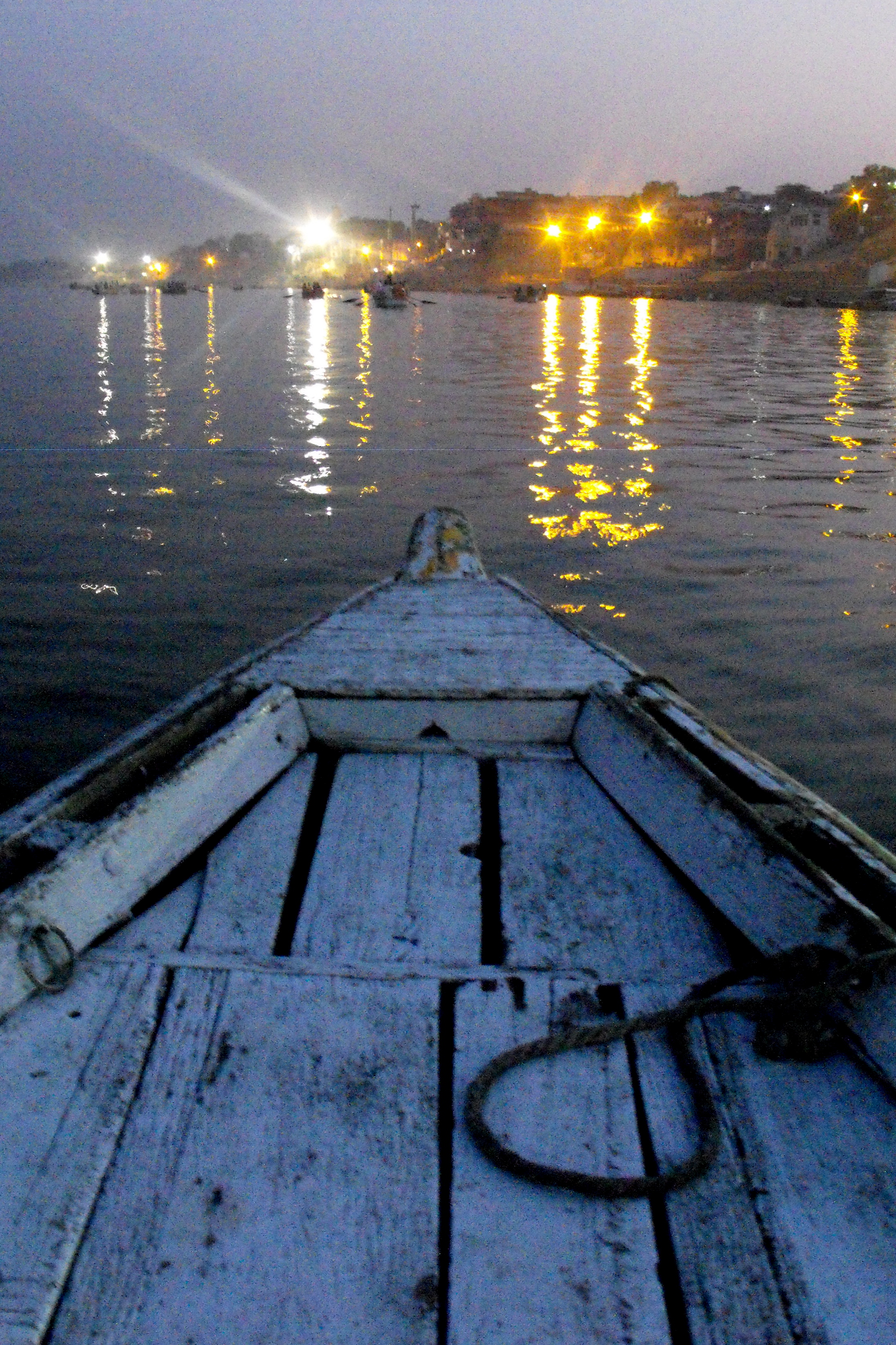
Jude gazed out in the direction of the ghats. Sure enough they weren’t passing any more. It was strange how the river current kept running while the boat remained stationary. Like a special effect in a low-budget children’s movie. Sunil had pulled in his oars long back, enjoying the gentle sleight of hand of Mother Ganga as well as Jude’s philosophical shenanigans. The prow was turning anti-clockwise at an almost imperceptible rate.

Jude leaned a little over the side and studied the distinct circularity of the surrounding water in which they had become temporarily trapped. It’s a time machine. She laughed at the thought.
“It’s a time machine.”
“It’s the stopper of time.”
Sunil laughed with her.
“My boat is now a cork in time!”

Jude imagined a giant rubber plug inserted into a giant egg timer, bringing the flow of sand to an abrupt standstill.
“Does it happen a lot?”
“Not a lot. Sometimes.”

Jude lay down again, face up to the brightening stars that were ever so slowly rotating above them. Below their gaze, this splinter of wood revolving in a thread of dark water was the hub of the known universe—the point around which it all revolved, and never went anywhere at all. But for a time—no, for a change—she had been allowed to see how it looks from beyond the wheel’s rim. Sunil picked up the oars, leaned back at a 45 degree angle, and began to sing, Maano To Main Ganga Maa Hoon.

Jude wept.
Posted in epoche, Kashi | Tagged , , , , , , , , , , , , , | Leave a comment

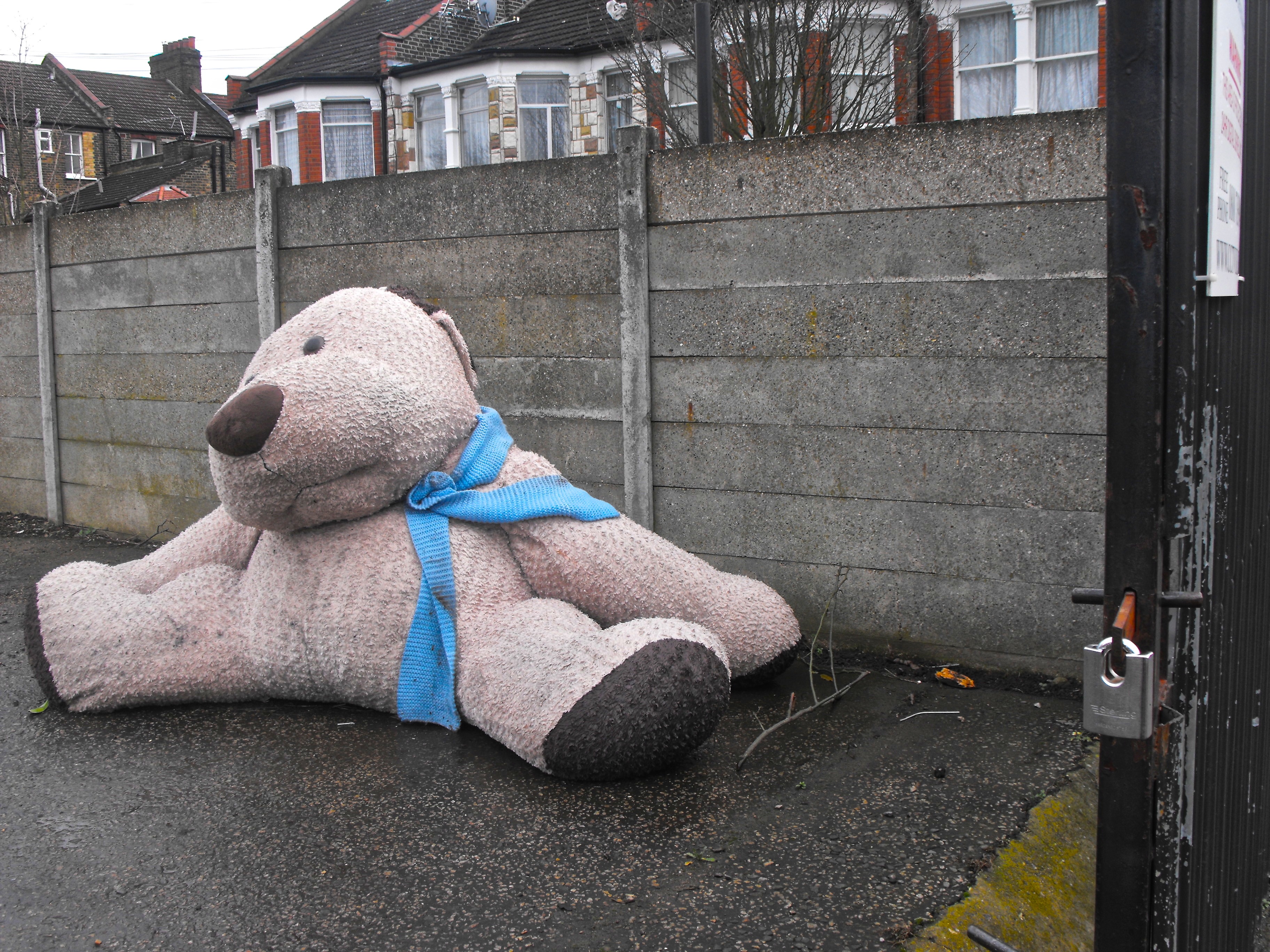
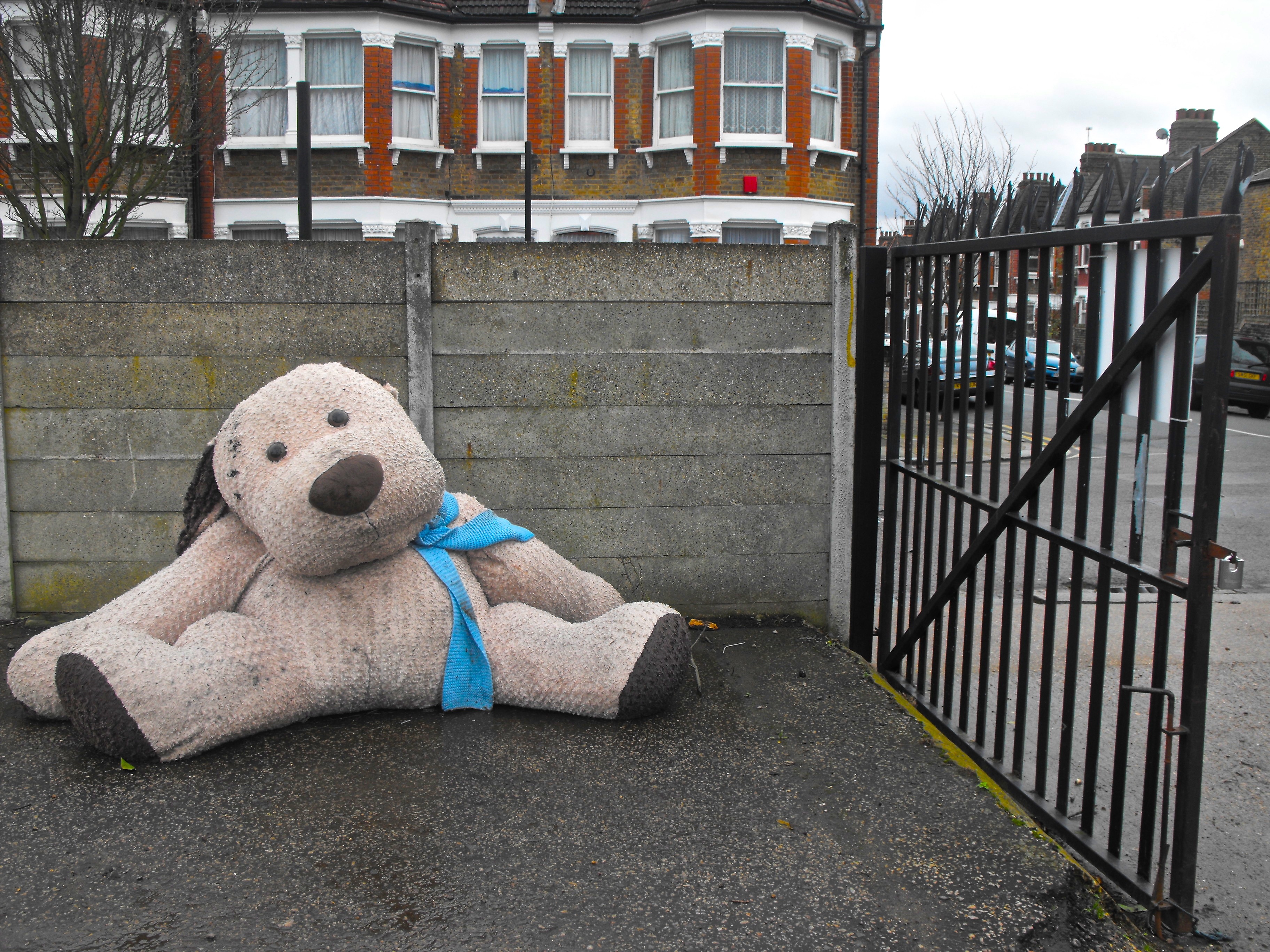
Will anyone take this bear home for Christmas?

I found him at the rubbish depot in my neighborhood, sitting alone in the corner of the lot.

abandoned bear1

He was soggy and huge.

abandoned bear2

The depot manager told me he’d been putting off taking him to the tip.

abandoned bear3
“I feel like putting some tinsel on him and sitting him in the back of the truck on the way, with a sign that reads: WILL ANYONE TAKE THIS BEAR HOME FOR CHRISTMAS?”

abandonedbear4

Posted in epoche | Tagged , , , , | 3 Comments

Squirrel vs. Lamborghini

A less than sympathetic sun elbowed its way through the fog and smirked on my cheeks that were paling from too long on a rose garden bench in my local park. The roses were taking refuge in non-existence, but it was good enough for North London in mid-December. A long 6 foot + Lamborghini_vs_squirrel_2silhouette filtered in and out of my peripherals – leaning down now and then, and clucking softly. A gentle-looking black man in an ankle-length black coat, carrying a blue plastic carrier bag. The sun-fog swirled around his ankles like stage-production of an old Hammer. I focused in on him, to see him lean down again, pull something out of his bag and put it into the mouth of a Grey Squirrel that was stretched up eagerly on its hind legs. I looked around, scouting for Health & Safety, the Rabies Police and any members of the Red Squirrel Lobby; which pretty much covers everyone in Britain apart from the Nihilists and the Red Squirrel Lobby Haters. Which pretty much covers everyone else.

It occurred to me how much-maligned the Grey Squirrel has been, since the outbreak of the 100 Year Squirrel Wars. I mean, they didn’t ask to be trapped and shipped from their native America in Thomas Brocklehurst’s suitcase. And what was a Victorian banker thinking playing Squirrel God by letting them into the wild? But it is still the case that the Red Squirrel, smaller and arguably cuter, has been driven to the British outback – Scotland – poor wee things, by the vicious teeth-gnashing Greys who chase them out of their beds in the dead of night and infect them with a nasty puss-seeping virus. The situation is deemed so desperate there is even a Red Squirrel Survival Trust, with Prince Charles as its patron. And here is this reckless individual, hand-feeding the bastards in a public park.

But wait, I thought. Aren’t we also driving other species to extinction from the helm of our own evolutionary fortune? Maybe there is a debate going on in the Pleiades right now about whether to exterminate us?

“Look, Zomopharan (continuing a time-honored tradition of naming alien leaders from failed sleeping pill brands), it’s them or the dolphins.”
“True. And the dolphins are cuter.”
“Then I propose total annihilation of the human species. All in favour……?”

Actually, there are some lonely, yet persuasive voices, who suggest that maybe the Squirrel Wars story isn’t quite as bullet proof. They say that the Greys get the nasty virus too, they just developed better immunity to it, that they happen to thrive in trees that we chop down less, and that they don’t actually chase Red Squirrels at all. In fact, they assert, the reason the Grey Squirrels are so much more numerous is simply because they have adapted better to changing circumstance. Their crime is their success. But at the time of this story, I hadn’t done a massive Google search on squirrel eco-politics, and remained unequivocally on the side of the Red propagandists.

I sauntered along West Green Rd–as only the unemployed mulling the Darwinian implications of British wildlife can at 11 on a Thursday morning–ending up at the dry cleaners. And lo and behold! standing at the counter plain as day was the Grey Squirrel Scab still clutching the evidence of his crimes – the blue plastic bag. He was having a rather polite difference of opinion with the proprietor about the speed of his laundry.
“My good man… (yes, he actually said this)…you seem to fail to understand that I require this item in a more timely manner. How do you intend to please me?”
He stepped back a little when he saw me tentatively displaying my yellow laundry ticket, and beckoned me to the counter.
“By all means, go ahead. This could take some time.”
“Did I see you feeding the squirrels?” I asked, trying to not add the word ‘bastard’ before the word ‘squirrels’.
“Yes, isn’t it wonderful! I’ve decided to return to Mother Nature.”
Deciding to ignore the myriad questions this raised, I asked.
“Do they always let you feed them by hand?”
“Oh no. But there’s a first time for everything, don’t you agree?”
He continued.
“I’ve decided to go the other way. Now I do yoga under the moon. We’ve gone as far as we can go this way. I’ve accepted that I’m never going to get that Lamborghini. I’m trying something new.”
His face bounced with tiny vibrations of energy as he spoke. I was happy for him and decided not to trouble him with the complexities of Squirrelgate. Maybe one of the aliens will take pity on me. Even though I’m a scourge on nature, I can still look cute up on my hind legs.
“I still want that Lamborghini though,” he added as I picked up my laundry and turned to leave.
In the battle for this man’s philosophical attention, a squirrel had won over a Lamborghini. This was, I thought, in an odd but indisputable way, impressive.  Okay, maybe it was the wrong kind of squirrel, but goddammit if I didn’t have a grudging admiration for this vintage romantic.
I wished him luck to which he thanked me and promptly returned to continue his courteous dispute.

Posted in epoche | Tagged , , , , , , , , | Leave a comment

Song of the Kerala fishermen

DSCF2767
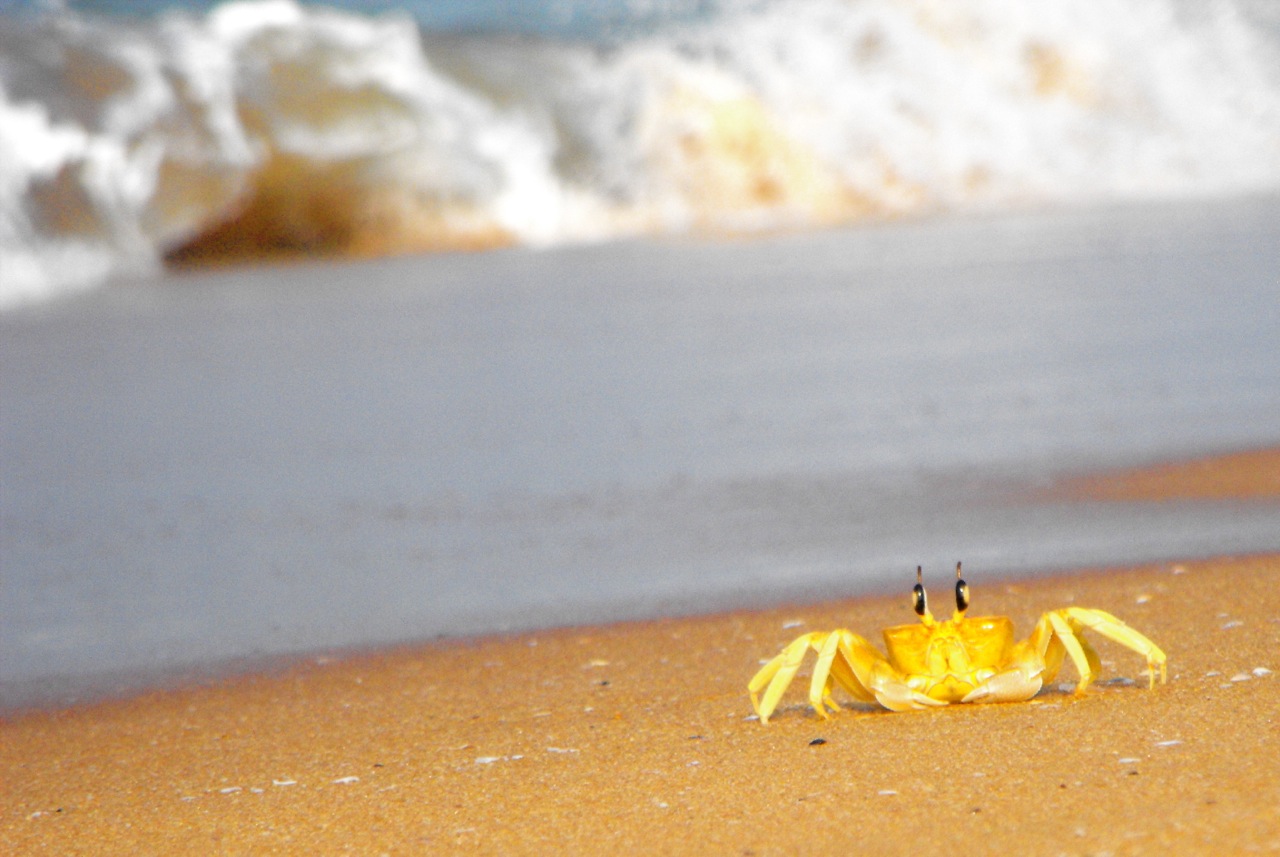
I hunkered down on the beach trying to photograph the neon yellow crabs scuttling around in the surf. The crabs had this amusing habit of stopping dead in their tracks, eyes literally popping out of their heads, whenever I moved too abruptly, as if they thought that by keeping still they couldn’t be seen.

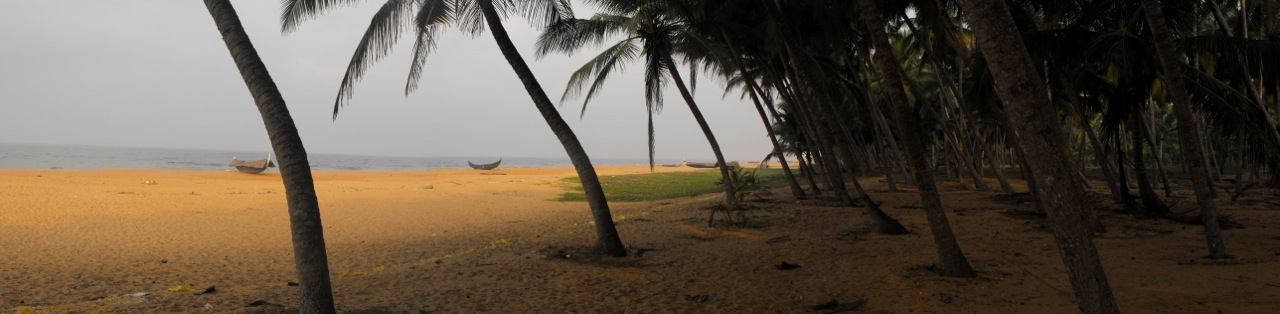
crabIt was late December, perfect weather for Kerala. A friendly 27 degrees where temperatures would hover for about two months before soaring along with the humidity. Either side of me a ream of strawberry blonde sand skirted with coconut groves stretched into the distance. That morning, a waiter at my guesthouse had shinnied up a palm to cut me a coconut, the milk of which had made the stuff I’d drunk in New Delhi seem like ditch water. I was just outside the village of Puthenthope (pronounced POOT-an-tope), a 40-minute drive from the capital of Trivandrum. With no resorts, only one guesthouse and no restaurants nearby, this section of the Malabar Coast is well off the everyday tourist circuit. Paradise is a rather abused travel-writing term. But it was at the very least a slice of ‘aradise’.

I began to follow the movements of a group of local fishermen. Reedy built but taut-muscled, dressed in the traditional lungi wrapped around their loins, they were intently engaged in casting an enormous net into a semi circle about 500 yards in diameter. Two others swam into the middle and began slapping at the surface of the water, belting out a song at the top of their lungs—a cross between a rock anthem and a dirge. It took me a while to figure out that the point of all this was to frighten the fish into the bowels of the net closer to the surf. At the same time, two groups of half a dozen men, 50 yards apart along the shoreline, gently pulled the net towards them by way of hefty ropes, converging gradually into the point of a V. It was like watching a slow motion tug-o-war, except everyone was on the same team.

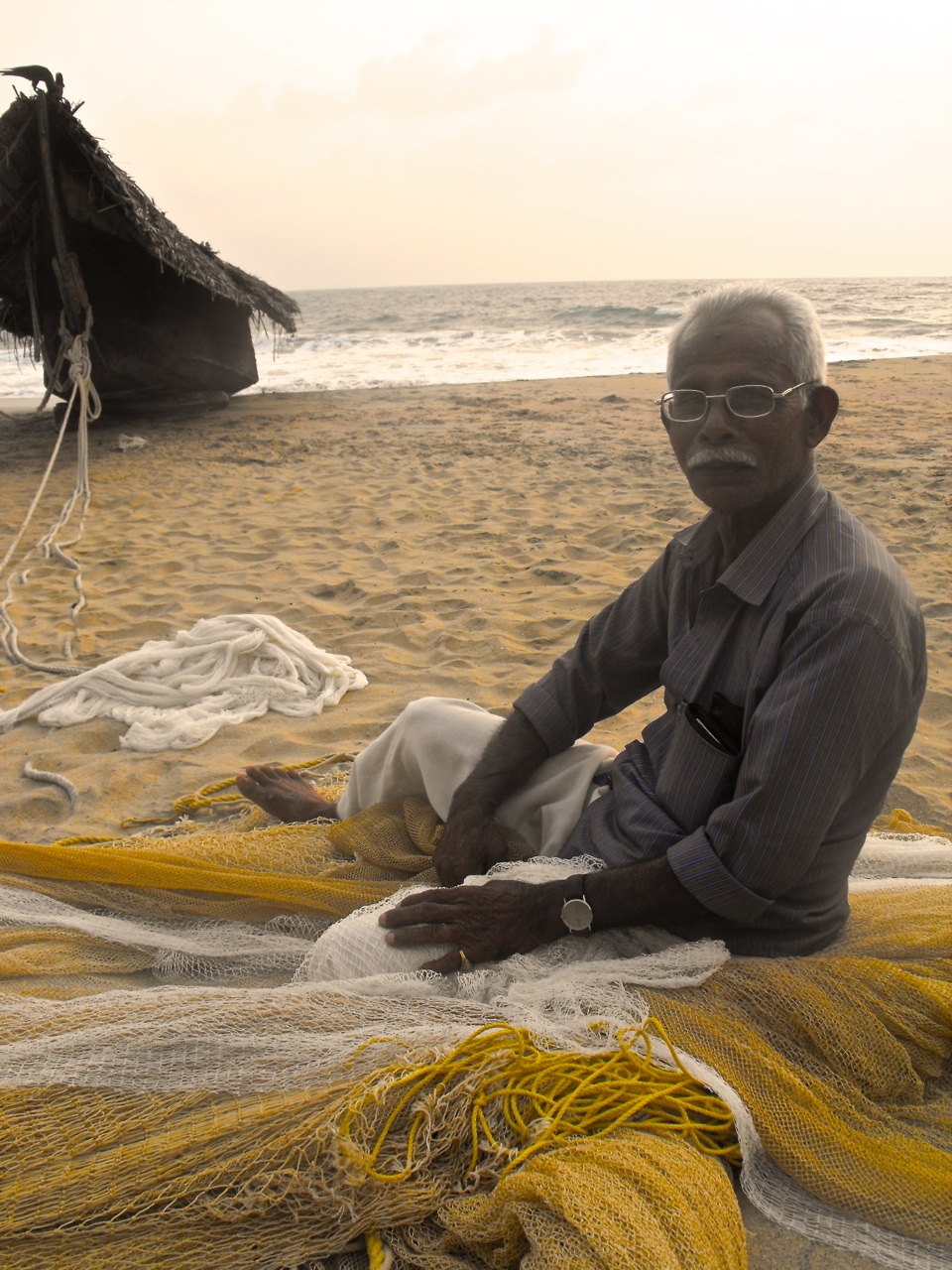
netsThe whole process took well over an hour. I couldn’t see one of them who looked under forty-five. Most of the fishermen in Kerala are middle-aged as non-mechanized boat fishing is a dying trade. Kerala is the largest producer of marine fish in India, but these days deep-sea trawlers rake in the larger catch, and fewer young men want to stay in the villages and learn the ways of the sea. The Government of Kerala has enforced a statutory trawl-fishing ban in place for a quarter century during monsoon, to protect the fish stocks during breeding season, but still these fishermen find it hard to compete with even the most rudimentary mechanized craft fitted with outboard motors.

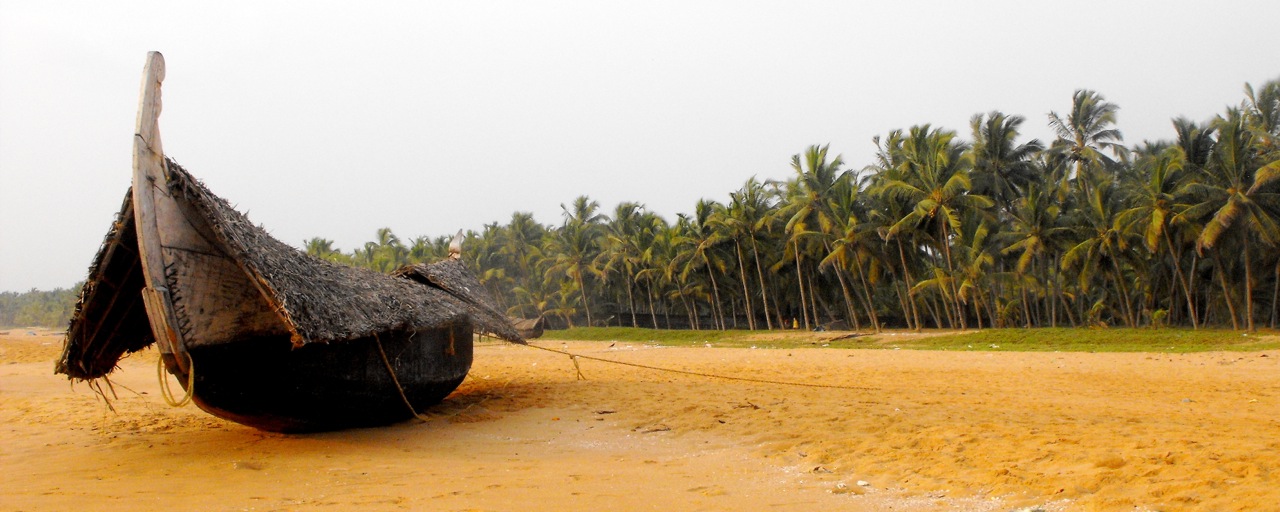
They heaved the net its final yards up onto the wet sand and gathered around it, staring down at the contents, hands solemnly behind their backs – half a dozen or so unimpressive looking fish flapped their tails between a soda can and a few startled crabs. The men walked away in silence, some to crouch on the sand and stare out to sea, sucking thoughtfully at bidis. I’d seen many of them assume this position over the past couple of days, before they put out their boats – completely motionless for ten minutes or more; single-pointedly absorbing the mood of the waves, winds and tides. The rest of them dragged in the boat they’d used to lay the net, hoisting it over a set of palm trunks used as rollers. The boats, about twenty-feet long and five feet wide, were stoutly built with great economy of design, stitched together with coconut fibre. Not a nail in sight.

elephant boatAs I watched all this go on around me I had an idea. I asked the man nearest to me if he spoke English. He shouted over to another, slightly younger man, who sauntered over.
“Can you take me out in your boat?”
I performed a little pantomime to show him what I meant.
“We not do this,” he replied.
“Rupees,” I explained.
“We not do this,” he repeated.
I thanked him and began to walk away.
He called after me and put up both hands to show all ten fingers. One thousand rupees. I shook my head and put up one hand. Five hundred. He shook his head. I shook mine.
“Okay,” he said.

Four of them began to push out the same boat they’d used to lay the fishing net. My friend motioned me to get in. I clambered over the side in a rather ungainly fashion, and was promptly yanked to a bench and firmly made to sit down. When we reached the surf-line, they all halted as one and gazed out at the waves. After a few minutes, without a word spoken, they started to heave the boat into the crashing surf with an urgent intensity. All four leapt into the boat at once and began furiously working the oars on each side. The whole process was a model of collective timing. It dawned on me that theirs was not just a trade, but an art, requiring years of experience imbedded in both body and mind. I couldn’t be in safer hands, I thought, as the bigger waves at the point break flung the prow of the boat upwards, lurching me forward to clutch at the metal rope rings, and drenching us all with a rain of spray. It was all very Pirates of the Caribbean, like a ride at Disneyland had broken free of the turnstiles and morphed into the real thing. And then we were beyond the waves, and enveloped in calm. The water was dazzling in the mid-day sun. A light breeze dried the sweat off the back of my neck. We sat in silence for about fifteen minutes, time measured out by the boat’s rhythmic lilting. The Malabar Coast a bangle of coral and green to our stern. An indigo flourish of horizon to our bow.
“Okay,” I said, grinning.
They grinned back and took up the oars again.

DSCF2554

Later, over dinner, I got chatting to an English family. The dad was telling me how much he and his wife were enjoying themselves, but admitted that their two young boys were getting a bit bored.
“They’re used to TV and video games. They don’t get what to do here.”
I leaned in and relayed the day’s events. The next afternoon I met them coming up the beach. The kids were laughing and running in the surf, daring each other to rescue a floating coconut shell. The dad turned and gave me an enthusiastic thumbs up.

Word got around the guesthouse. By the time I left, most of the twelve or so guests had taken a ride with the fishermen, who all began to wave at me during my evening walks. We weren’t about to solve the larger dilemma they faced of a dying livelihood, but we offered a temporary reprieve– and a reason to tell something of their arduous, vulnerable and lyrical life.

Posted in epoche | Tagged , , , , , , , , , , , , | 1 Comment

The Yearning

DSCF1119_2Only those whose heart is not yet blown
Have anything to fear from Winter.

Do the trees clutch at their leaves
When the wind blows through?

This longing
It is the only thing of worth
This lack
A treasure house

It is here
In this Ache, this Absence
Where the True Lover shows his face.

Posted in epoche | Leave a comment

Dressing the Ganga

This gallery contains 12 photos.

More Galleries | Tagged , , , , , , , | 1 Comment

Overheard: What I got

DSCF1312Waiting for the Number 41 to Archway. Two blokes in early 20’s dressed in sweat pants and hooded sweatshirts.

BLOKE 1: Tottenham Hale. Doesn’t get much worse than this, does it?

BLOKE 2: I dunno. We could be in Syria.

BLOKE 1: What? Don’t you think things are messed up here?

BLOKE 2: I’m just sayin’ it could be worse.

BLOKE 1: Comparisons don’t help. It just diverts attention. Don’t you think it’s bloody awful here?

BLOKE 2: I dunno. I’m grateful for what I got.

BLOKE 1: What’s that then? What you got, mate?

BLOKE 2: I got running water. I got a place to lay my head. I got…

BLOKE 1: Yeah, but thems essential things. No good comparin’. It only keeps you distracted.

BLOKE 2: I’m just sayin’…

BLOKE 1: What? What?

BLOKE 2: I’m okay wig what I got.

BLOKE 1: (turns up his collar and walks away backwards) You’re nuts. Take it easy.

Posted in epoche | Leave a comment

The Shadows of War

DSCF1012Kicking a stretch of dusty road
Neck ablaze in the Tamil sun
Bush leaves sieving luminosity
Carelessly, I passed.

Under every modest shadow,
A million beings huddling
Strangers forced to share a raft
Carelessly, I passed.

And as I did, the shadows turned
From leaves to squadrons, murderous dark
Haven into battleground
Carelessly, I passed.

Posted in epoche | Tagged , , , , , , , , | Leave a comment

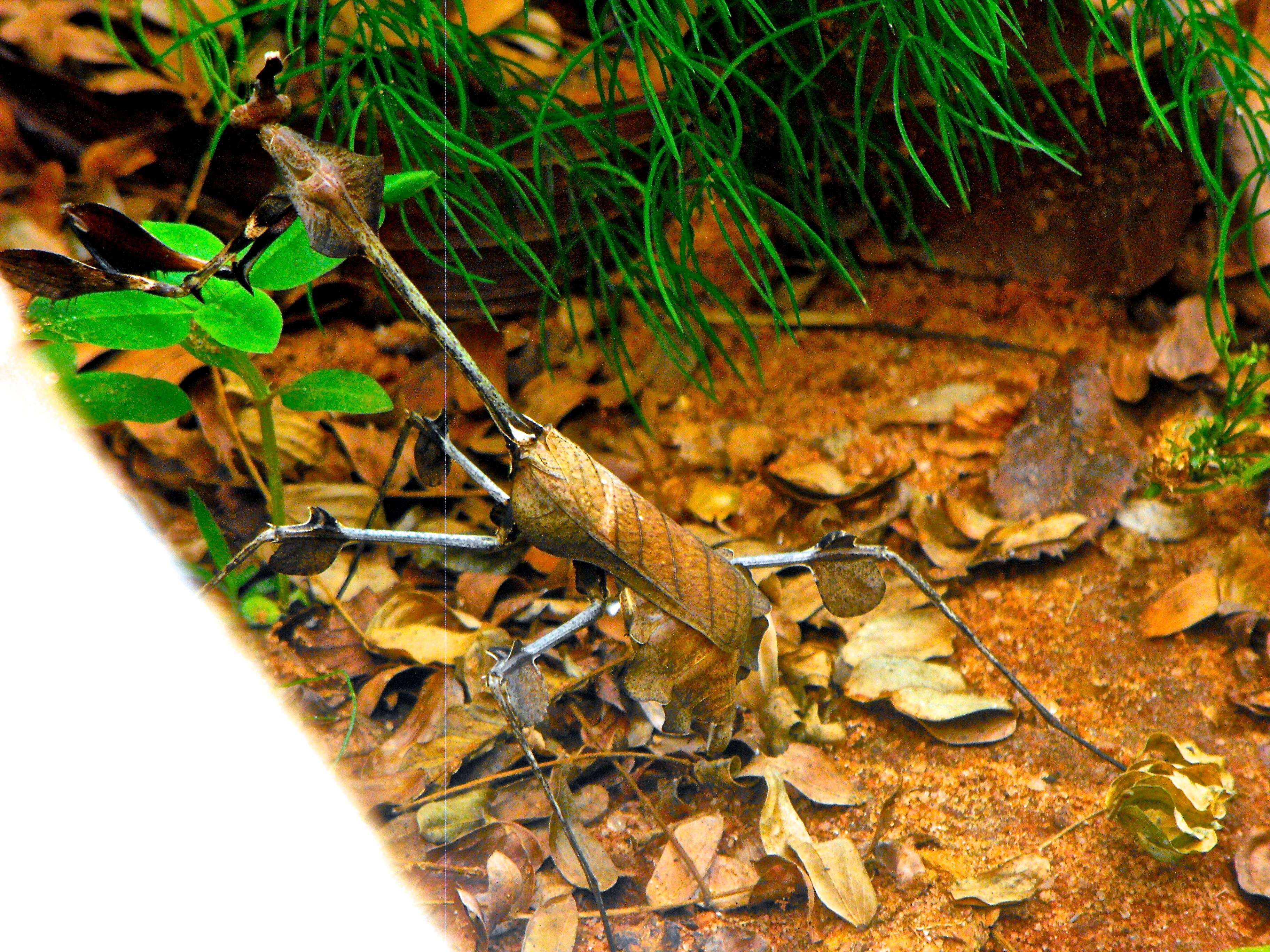
Gongylus Gongylodes!

Yes, it’s real. I had the honour of witnessing this wondrous Jabberwocky of a creature in the Auroville forest, Tamilnadu.

DSCF1056It’s Latin name is Gongylus Gongylodes, otherwise known as a Dead Leaf Mantis or (rather poetically) the Wandering Violin Mantis. It moves like Michael Jackson doing the robot dance in a hurricane if Michael Jackson was made out of leaves. The Wikipedia entry says that the males are capable of flight (which I’m glad I found out about later) but I was reassured by the following: They live and breed in large groups without unnecessary cannibalism. An example for us all.

My friend Chris [conspiracyofjoy] managed to shoot a video of it. (Excellent work considering he only had one useable leg at the time).

http://www.youtube.com/watch?v=eOeGhHs32LE&feature=youtu.be

And here’s how to handle one – should the situation ever arise.

Posted in epoche | Tagged , , , , , , , , , , | 2 Comments

Tipping Point: Love, booze, and climate change

‘Clomance’. Climate Change meets Romance.

“The West Wing” meets “Sex in the City” – me writing my own review.

“Gravitation is not responsible for people falling in love.” Albert Einstein
“No. But climate change is.” Jude Windsor

_______

Climate Change isn’t sexy.
Jake’s text arrived just as they were sitting down to dinner. He was replying to her texted question. Why? His text before that: Cute, but it’ll never catch on which was a response to her original text: I’m thinking about writing a blog on love and climate change… 

pink“So, what do you think?”
Jude looked up from her mobile back across the table.
“Sorry, I tuned out for a minute. What were you saying?”
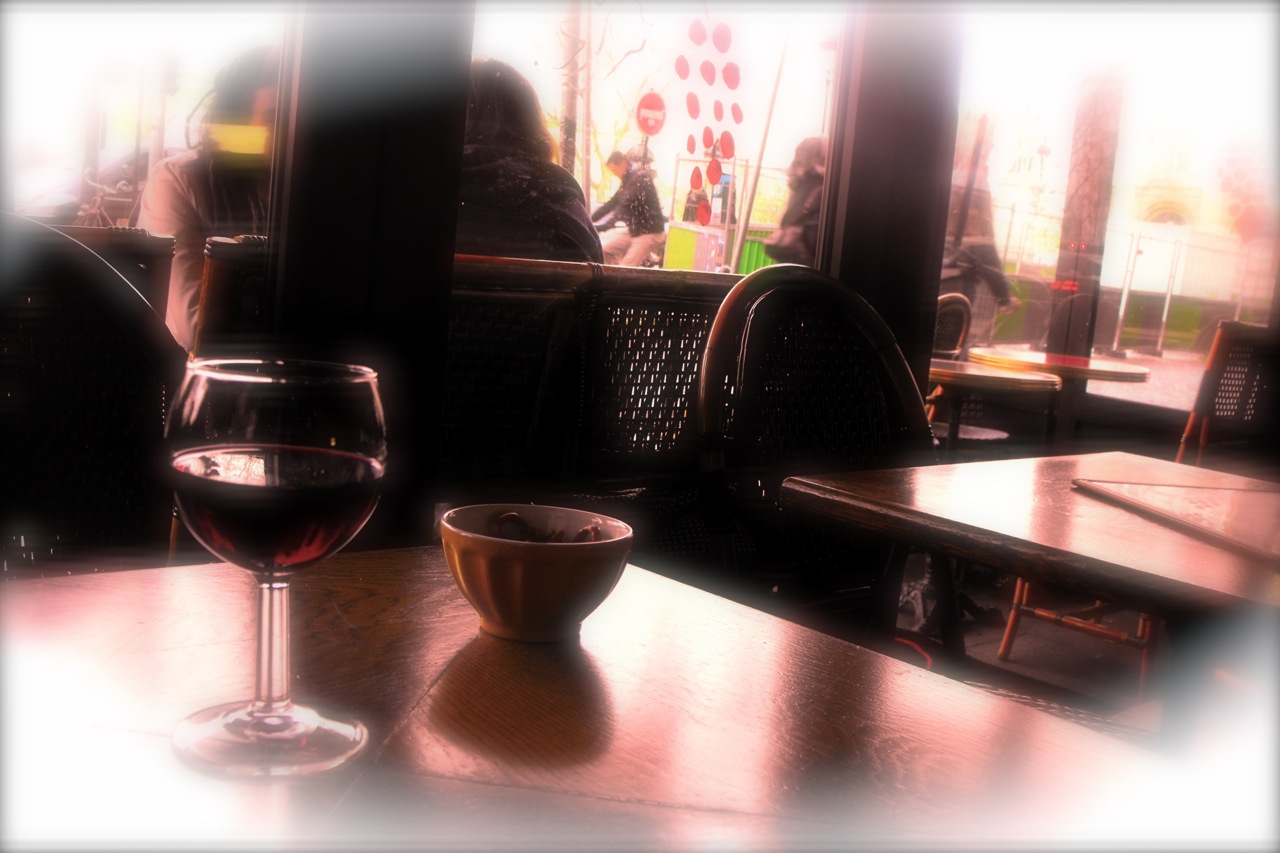
Jalil raised one eyebrow in that rock ‘n roll photo shoot way. Wistful and rugged at the same time. His dark eyes even darker in the low lit restaurant. It had been her idea to come there, a new Spanish wine bar in a funky part of Camden. But now she felt odd in the intimate atmosphere surrounded by lovers, like they were on a date.
“The carbon tax?”
“Right.”
She wiggled her wine glass at the waiter who replied with an affirmative thumbs up.
“You want another beer?”
“Not for me.”
The carbon tax. Jude sighed inwardly. They hadn’t seen one another for two months. Not since he’d left his position as head of a corporate responsibility think tank, where she’d worked as a reacher. He’d since been posted to the Foreign Office, advising the government on climate change. She was hoping for some small talk at least.
“Well, of course it’s a step in the right direction. But it’s dead in the water, isn’t it? ‘Assisted suicide,’ isn’t that what your energy minister called it?”
“He’s also your energy minister, I’ll have you informed. He also called it ‘absurd’.”
“Aren’t you guys supposed to be playing for the same team?”
Jalil shrugged as the waiter brought their food. Jude tried to signal that he’d got their orders the wrong way around, but it was too late.
“It’s a weathercock isn’t it?”
“Excuse me?”
” A way to gauge public reaction without the leadership losing face. Isn’t he Joint Energy and Business Minister now?”
Jalil picked up their plates and switched them around. He got the paella with prawns. She the Spanish omelette with salad.
“Are you suggesting an unholy alliance?”
“Or a Faustian pact.”
“Or perhaps some people thought that we need to try to solve this problem together.”
“And I thought I was the hippie.”
“You’re a cynical hippie, which does a disservice to both cynics and hippies.”
Jude decided to ignore this.
“I don’t get it. Energy industries are complaining that the EU is stalling their 100 million compensation package. But if the polluters are compensated then what is the carbon tax for? Just so it sounds like you guys are doing something?”
“You’ve forgotten ‘lining the coffers of the Exchequer’. That’s the usual allegation.”
“I’m trying not to be cynical.”
“Prices are the most reliable way to guide decisions of both producers and consumers. Adam Smith.”
“Don’t values come in to the equation?”
“Partly. But the price tag is what counts in the end. And pollution should have a price tag. G20 governments agreed four years ago that fossil fuel subsidies were bad; that they encourage wasteful consumption, reduce energy security, and basically undermine efforts to deal with climate change.”

blueJalil took a mouthful of paella and downed the last of his beer. Jude wondered why she could find him so arrogant and attractive at the same time. Even with that scrap of half-chewed food perked on his chin.
“So what happened?”
“Corporate spin machines. Always shifting the focus away from their profits. Now we have the BASF calling the carbon tax “an unsustainable policy”?
“BASF?”
“Only the largest chemical company in the world. In 2011, Britain gave tax breaks of 280 million pounds to oil and gas producers and reduced VAT on fossil fuels by several billion, and they keep holding out their begging bowls. These guys are priceless.”
“I think it’s brilliant?”
“What do you mean?”
“Using the word ‘unsustainable’ to attack the carbon tax. It’s like homosexuals in the US taking back the word ‘gay’ from the haters and turning it into ‘gay pride’ in the 60s. Gay used to be a derogatory word. Now we don’t use anything else. Why don’t we have people like that on our side?”
“What? Liars and manipulators like the BASF spokespeople, or gays?”
“We have liars and manipulators. They’re just not as good as the other guys. I assume most gays are for the carbon tax.”
“Why do you assume that?”
Jude adjusted her seat in the chair. Something about the way he was talking to her tonight she found irksome, that half-smile, the way he was waving his hand around like he was giving a public speech.
“Well, because more gays are politically liberal.”
“Really? You know that for a fact?”
“Well, they’re statistically more likely to support parties who support gay rights, and those parties are more environmentally friendly.”
“You talk about gays a lot, have you noticed that?”
“It’s a topic close to my heart.”

Jude raised her glass and threw back a hefty swig. Jalil looked mildly disapproving, or perhaps she just imagined that he did. She often felt that he drank just to be sociable. Even though he wasn’t a practicing Moslem, drinking didn’t suit him somehow, and she’d never seen him drunk. A few months back she’d got tipsy at a colleague’s leaving party and had kissed him in the taxi. Even though they’d laughed about it later, things hadn’t been quite the same between them since. She knew that climate change was his job now he’d been promoted, but somehow they never seemed to get around to talking about anything else. Also, she felt he’d become a bit of an apologist for the government since his promotion, something she felt it her duty to challenge.

sepia“Why are governments subsidizing climate change?”
“That’s a bit of a stretch.”
“Did you see the report from that think tank, the Overseas Development Centre?”
“Institute.”
“What?”
“It’s the Overseas Development Institute. Not Centre.”
Damn, he was annoying her tonight.
“Okaaaay. Well, then you’ll know that it said that the ratio of renewable energy investment to fossil fuel subsidies globally is 1-6 dollars. Basically that sounds like subsidizing climate change. I know you believe in a political solution, but it’s not just a matter of political will. You admit that the corporatocracy is in control.
“I didn’t say that. And isn’t it corpocracy?”
“Corpocracy sounds daft. I’m sure it’s corporatocracy.”
“That sounds dafter.”
“You’re very combative this evening.”
“Isn’t it combatative?”
“Now, you’re really being annoying. And you have paella on your chin.”
He wiped it away with a forced laugh.

“Can we talk about something else?”
Jude felt a rush of blood to her cheeks. Climate change was all he ever wanted to talk about, and now he was asking her to change the subject?
She dug in her metaphorical heels.
“The Overseas Development Centre says…’
‘Institute.’
She shouldn’t have told him about the paella on his chin.
‘…says that the developed nations are creating barriers to investment in low-carbon development. Why do you think that is?”
There was that half-smile again. The one that got under her skin.
“Jude, I know where you’re going with this, but I’m not going to follow you down your yellow brick road of conspiracy theories. Economies need time to adjust to green industry.”
“It’s not a theory that the energy companies run the global economy.”
“I thought it was the Illuminati.”
“The energy companies are the Illuminati.”
“You’re joking, right?”
“Hard to tell, isn’t it?”
His flippancy wasn’t reading as entirely sincere. She thought she sensed a new uncertainty. Was he getting disillusioned?
“Do you know how Denmark was able to reduce its carbon emissions so successfully in the late 90s?”
“Yes, but I have a feeling you’re going to tell me anyway.”
“Because the tax revenues from their carbon tax were used as incentives for companies to use cleaner sources of energy.”
“And what makes you think that’s not part of the UK government plan?”
Jude fished around in her handbag, regretting that third glass of wine. Jalil had been late as usual, and she’d downed two at the bar. She pulled out a magazine and flipped through it looking for the page.
“This is a quote from an April 2013 report from KMPG. ‘While the UK may have a strong system to tax industrial emissions, it scores more poorly on incentivising low carbon investment.” It goes on. “The report suggests the UK isn’t doing enough to incentivise the development of renewable energy.”
“Are you sure you don’t mean incentivate?”
Jude glared at him though she knew he was just having fun with her.
“KMPG is one of the world’s biggest auditors.”
“I know who they are.” Jalil lent his chin on his fist and looked at her with mock earnestness. “What I don’t know is why we can’t seem to talk about anything else.”
You’re the one who can’t talk about anything else!”
“Sure I can.”
They both paused as the waitress cleared their plates.
“Do you guys want dessert?”
“No, thanks,” Jalil replied hastily.
The waitress looked quizzically at Jude.
“I guess not,” she murmured.
She longed for a taramisu but didn’t want to draw out the evening. She thought she should at least make an attempt at changing the subject. The waitress had provided a segue.

DSCF0050“So. How was Newcastle?”
“It was fine.”
“And your mum?”
“She’s okay. She was happy to have me home for Eid.”
Another pause. Jude was almost grateful when he started up again.
“And what about the chief executive of E.ON UK, calling the carbon tax a ‘stealth poll tax’? I suppose you think that’s brilliant too.”
“Well, it is. Everyone hated the poll tax. And it’s associated with Maggie Thatcher. Two things against it. But why would anyone believe what an energy exec says against carbon tax anyway?”
“It’s not like he has anything to gain from knocking it.”
“You’re being funny now, aren’t you?”
“Of course I’m being funny.”
“That Telegraph article was toilet journalism. They didn’t even bother to make an attempt at balance.”
“He also said that the carbon tax was going to push up the price of electricity.”
“Well, I’m comforted to know that the world’s largest investor-owned power and gas company is worried about my electric bill,” said Jude, still distracted by the vague promise of taramisu.
Jalil looked down at his watch and felt behind his seat for his coat.
“But he didn’t say that.”
“Didn’t say what?”
“He didn’t say it was going to push up the bills of ordinary households. That’s just what people assumed he meant. He said it was going to push up the price of electricity. Now that’s brilliant.”
Jalil stood up and threw his coat on.
“Are we leaving?”
“Yeah, I have to go. I have a meeting with the Energy Minister in the morning.”
“You mean the Business and Energy Minister.”
“Right.”

Jalil waved her off at the Underground after another of their rather awkward hugs. He walked a few paces towards the Piccadilly Line, then turned to face her again. She half thought he was going to say something personal, something sweet.
“Do you know who was one of the very first world leaders to speak about climate change?”
“No.”
“Margaret Thatcher.”
“You’re kidding.”
“Google it.”
“I will.”
She watched him walk briskly up the escalator, pulling up his collar against the wind tunnel that flung his woolen scarf up in the air.
“Maggie Thatcher,” she said out loud. “Who says climate change isn’t sexy?”

Posted in epoche, Tipping Point: Love, booze, and climate change | Tagged , , , , , , , , , , , , , , , , , , , , , , , , , | Leave a comment